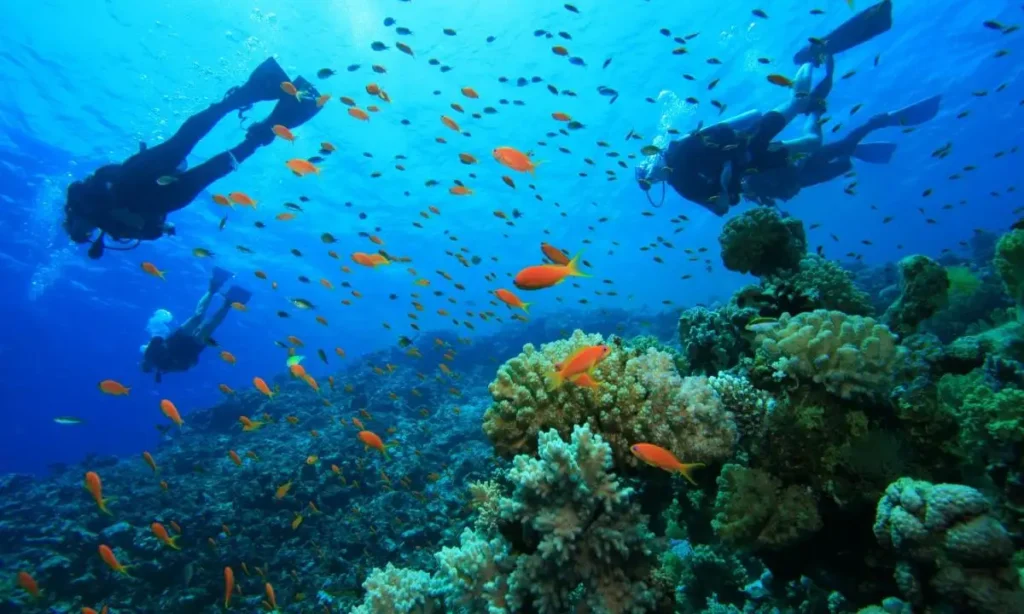
Photo Credit: Traveloka
I’ll be honest with you—when I first heard about scuba diving in Samal, I was skeptical. Another “hidden gem” in the Philippines? But after spending weeks exploring the underwater world around this island, I can tell you it’s not just hype. Samal Island offers some of the most accessible, affordable, and surprisingly diverse diving experiences in Mindanao. Whether you’re a complete beginner wondering if you should take the plunge or an experienced diver looking for your next adventure, this guide covers everything from the best dive sites and costs to marine life encounters and practical tips that’ll help you decide if Samal deserves a spot on your dive bucket list.
Where is Samal Island, and Why Should Divers Care?
Getting to Samal Island
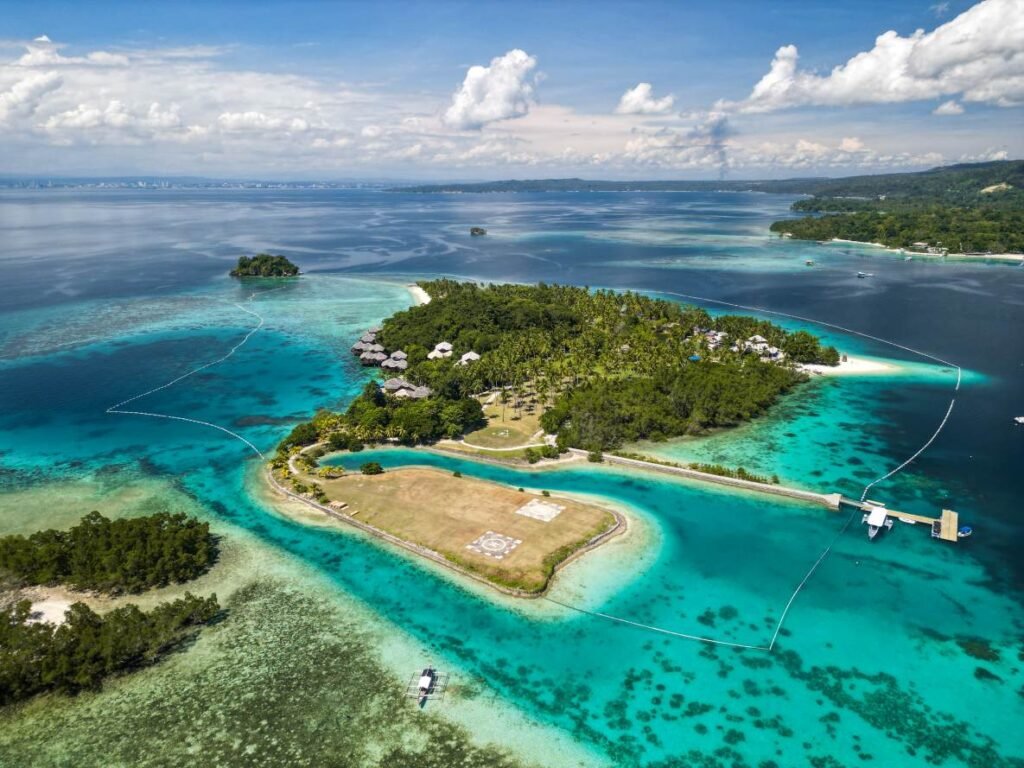
Samal Island sits just off the coast of Davao City in the southern Philippines, making it one of the most accessible diving destinations in Mindanao. Here’s what makes getting there so convenient:
From Davao City:
- Ferry crossing: Takes only 15-20 minutes from Sasa Wharf or Sta. Ana Wharf
- Cost: Usually ₱15-30 per person (less than $1 USD)
- Frequency: Boats run every 30 minutes from early morning until evening
- Vehicle transport: You can bring motorcycles or cars on larger ferries
From Manila or Other Cities:
- Fly into Davao International Airport (Francisco Bangoy International Airport)
- Flight time is approximately 2 hours from Manila
- From the airport, it’s a 30-minute drive to the ferry terminal
The proximity to Davao City means you’re never far from urban conveniences—hospitals, equipment shops, and international cuisine—while still feeling like you’ve escaped to a tropical paradise.
What Makes Samal’s Underwater World Special?
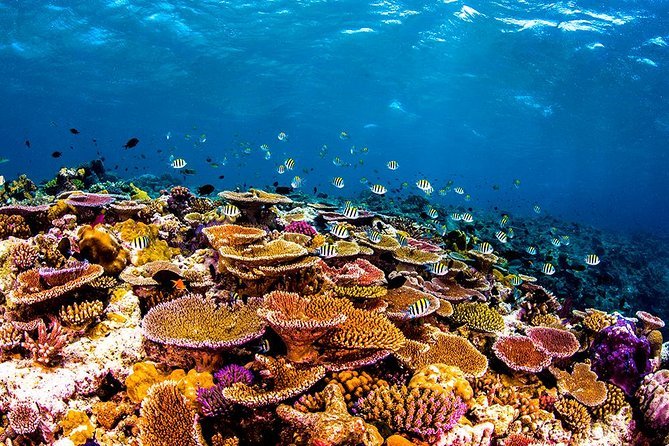
Photo Credit: Tripadvisor
Let me tell you what sets Samal apart from other Philippine dive destinations. It’s not Tubbataha, and it’s not Apo Reef. But that’s exactly the point.
Unique advantages of diving in Samal:
- Calm, protected waters: The island shields many dive sites from strong currents, perfect for learning
- Year-round diving: Unlike some destinations with strict seasons, Samal offers reliable conditions most months
- Biodiversity: Part of the Coral Triangle, home to 76% of the world’s coral species
- Less crowded: You won’t find hordes of divers competing for the same sites
- Affordable: Significantly cheaper than popular tourist diving spots like Boracay or Palawan
The water temperature hovers around 27-30°C (80-86°F) year-round, meaning you’ll be comfortable in a 3mm wetsuit or even a rashguard. Visibility typically ranges from 10-25 meters, with the best clarity from March to June.
What really impressed me was the healthy coral coverage. While many Philippine reefs have suffered from blast fishing and climate change, several sites around Samal show remarkable resilience, with coral gardens that rival more famous destinations.
The Best Scuba Diving Sites in Samal You Need to Explore
Coral Garden Paradise
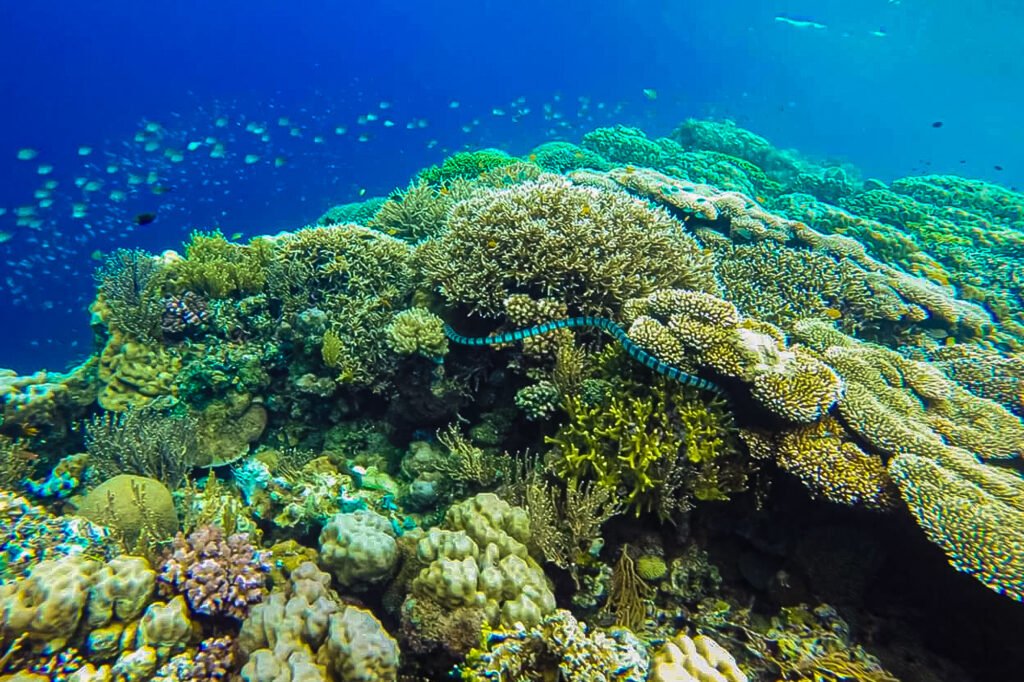
Photo Credit: Fun In The Philippines
This site lives up to its name. Located on the northwestern side of Samal, Coral Garden is often the first stop for divers visiting the island—and for good reason.
What you’ll experience:
- Depth range: 5-18 meters (perfect for all levels)
- Dive type: Easy drift dive or relaxed exploration
- Bottom composition: Sloping reef with healthy hard and soft corals
The shallow sections burst with color. I’m talking about table corals, brain corals, and staghorn formations that create an underwater landscape you’ll want to photograph from every angle. Schools of fusiliers dart overhead while you’re examining the smaller stuff—nudibranchs, porcelain crabs, and the occasional blue-spotted stingray buried in the sand.
Marine life highlights:
- Clownfish families in their anemone homes
- Parrotfish munching on coral
- Lionfish hunting at dawn and dusk
- Occasional sea turtles passing through
This is where I recommend beginners start. The conditions are forgiving, the marine life is abundant, and you’ll build confidence before tackling more challenging sites.
Ligid Caves
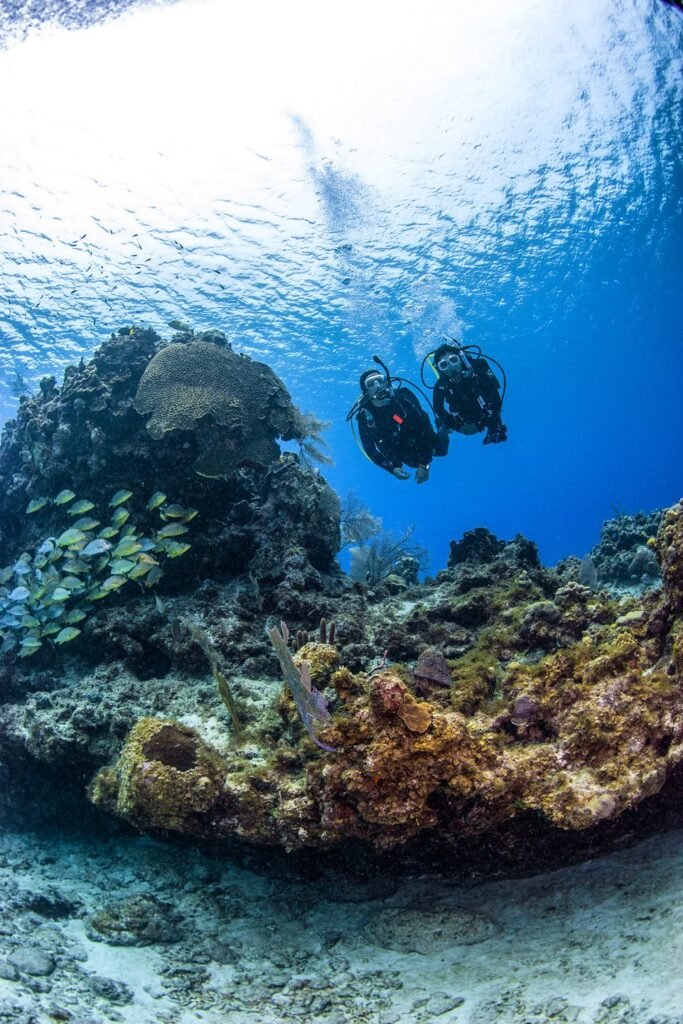
Photo Credit: Padi
Now we’re talking about something completely different. Ligid Caves attracts advanced divers looking for a bit of excitement mixed with their tropical diving.
Technical details:
- Depth: 12-25 meters
- Requirements: Advanced Open Water certification recommended
- Conditions: Good buoyancy control is essential
The cave system isn’t technically a “penetration dive” in the full sense—it’s more of a large overhang and swim-through situation. But the atmosphere changes the moment you enter. The light filters through openings in the rock, creating those dramatic beams that make for stunning photos.
Why experienced divers love it:
- Whitetip reef sharks sometimes rest in the deeper caverns
- The walls are covered in soft corals and sea fans
- You’ll find lobsters, moray eels, and groupers hiding in crevices
- The topography is just plain interesting compared to typical reef dives
I won’t sugarcoat it—this isn’t for nervous divers. You need to be comfortable with enclosed spaces and confident in your buoyancy. But if you’ve got the skills, Ligid Caves offers a unique experience you won’t find at every dive site around Samal.
Babu Santa (Underwater Cemetery)
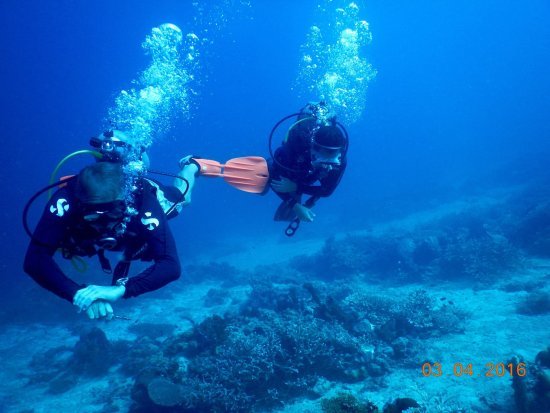
Photo Credit: Tripadvisor
This is hands-down the most unique dive site around Samal, and possibly one of the most unusual in the entire Philippines.
The backstory: In the 1990s, local dive operators created an artificial reef by sinking various structures, including old boats and, bizarrely, cemetery-themed installations. You’ll find crosses, tombstones, and statues submerged at various depths, creating an eerie yet fascinating underwater landscape.
Dive site characteristics:
- Depth: 8-20 meters
- Visibility: Usually 12-20 meters
- Skill level: Open Water certified divers can explore most areas
The artificial structures have become genuine ecosystems over the decades. Soft corals now drape over the crosses, and schools of snappers and sweetlips use the structures as gathering points. I’ve seen massive groupers lurking near the larger installations, completely unbothered by divers with cameras.
Photography opportunities are endless:
- Silhouettes of crosses with the sun behind them
- Wide-angle shots of divers “floating” over the cemetery
- Macro work on the coral growth covering the structures
- Unique underwater portraits with the themed backdrop
Beyond the novelty factor, Babu Santa demonstrates how artificial reefs can successfully attract marine life when done thoughtfully. It’s both a conversation starter and a legitimate dive site worth your time.
Malipano Island
Photo Credit: Tripadvisor
If you want to experience wall diving without traveling to remote locations, Malipano Island delivers.
What makes it special:
- The wall: Drops from 5 meters to beyond recreational diving limits
- Current: Can be moderate to strong, bringing in nutrients
- Marine life: Both pelagic species and colorful reef fish
I’ve done this dive probably a dozen times, and it never gets old. You start shallow, working your way along the wall, and the reef life changes as you descend. Up top, you’ll find anthias swarming in the current. Mid-depth, barracuda and jacks patrol. If you’re lucky and the conditions are right, eagle rays sometimes cruise past the deeper sections.
The macro life here is exceptional:
- Pygmy seahorses (if you have a sharp-eyed guide)
- Ornate ghost pipefish hiding in crinoids
- Countless nudibranch species
- Frogfish are perfectly camouflaged against the coral
The current here means you’re often doing this as a drift dive, which adds an element of effortlessness to the experience. Just maintain your depth, control your buoyancy, and let the ocean carry you along this spectacular wall.
Other Notable Diving Spots Around Samal
Samal offers more variety than most divers realize:
- Talikud Island sites: Southwest of the main island, these spots feature similar conditions but fewer visitors
- Balet East and West: House reef-style dives perfect for night diving or training dives
- Aundanao Point: Known for occasional manta ray sightings during certain seasons
- Pinnacle sites: Several unnamed pinnacles rising from the seabed, excellent for advanced divers
The beauty of Samal is that you could spend a week diving here and not repeat sites, yet nothing is so far away that you’re spending hours on boats.
What Will You See While Scuba Diving in Samal?
The Incredible Marine Life
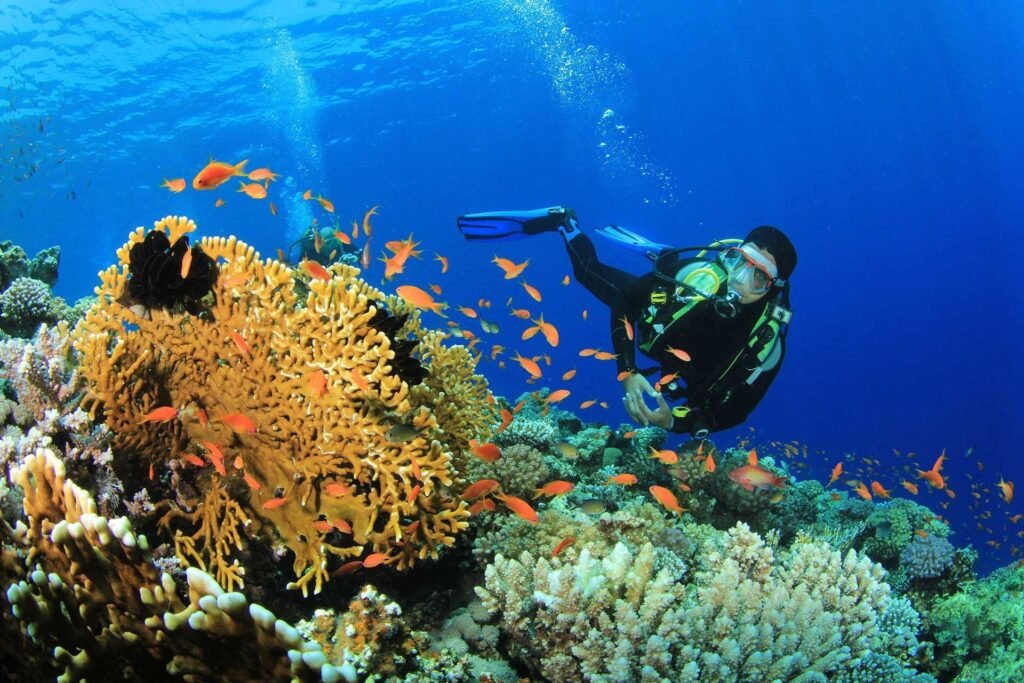
Photo Credit: Discovery Samal
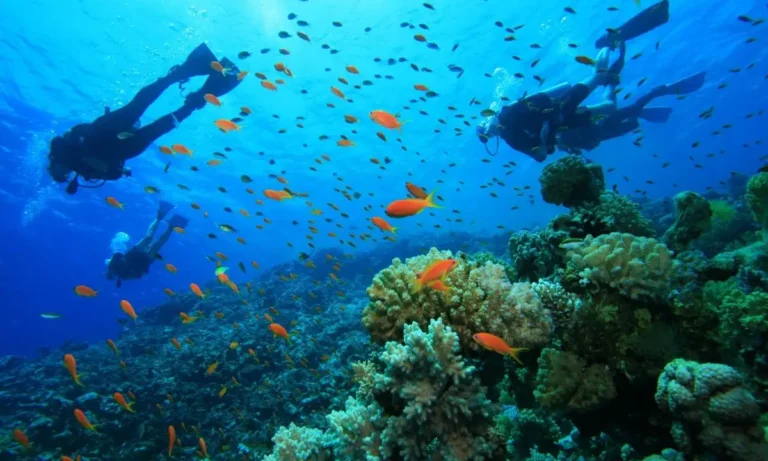
The biodiversity around Samal reflects its location in the Coral Triangle, the epicenter of marine life diversity on our planet. Here’s what you can realistically expect to encounter:
Common Species (You’ll See These on Most Dives):
- Clownfish: Multiple species including false clownfish and tomato clownfish
- Parrotfish: Various sizes, from juveniles to massive adults
- Butterflyfish: Including longnose, racoon, and threadfin varieties
- Damselfish: Territorial little guys protecting their algae gardens
- Snappers and fusiliers: Often in large schools
- Moray eels: Peeking out from holes in the reef
Regular Sightings (Seen on Many Dives):
- Sea turtles (green sea turtles most commonly)
- Blue-spotted stingrays
- Lionfish
- Scorpionfish
- Octopus
- Cuttlefish
- Various grouper species
Special Encounters (Requires Luck and Right Conditions):
- Whitetip reef sharks
- Eagle rays
- Barracuda schools
- Manta rays (seasonal and rare)
- Spanish mackerel
- Various pelagic species during current
Coral Varieties:
- Hard corals: Table corals, brain corals, staghorn, elkhorn
- Soft corals: Sea fans, leather corals, and various dendronephthya species
- Coral health: I’d rate most sites around Samal at 65-80% coverage in prime areas
The macro life deserves special mention. If you’re into tiny creatures, bring a good dive light and go slow:
- Nudibranchs in incredible variety
- Flatworms
- Shrimp (including cleaner shrimp stations)
- Various crab species
- Seahorses (rare but present)
- Pipefish
Underwater Photography Opportunities
Samal offers diverse subjects for both wide-angle and macro photography.
Best subjects by category:
| Subject Type | Recommended Lens | Best Sites | Difficulty Level |
| Coral landscapes | Wide-angle (16-35mm) | Coral Garden, Malipano | Beginner |
| Reef scenes | Wide-angle | All sites | Beginner |
| Themed structures | Wide-angle | Babu Santa | Intermediate |
| Turtles | Mid-range (24-70mm) | Various sites | Intermediate |
| Macro critters | 60-105mm macro | All sites | Advanced |
| Fish portraits | Mid-range | All sites | Intermediate |
The visibility around Samal is good but not exceptional, so don’t expect the crystal-clear blue water you’d find in places like Palau. But that doesn’t mean you can’t capture stunning images. Some of my favorite underwater photos came from Samal precisely because the conditions forced me to be more creative with composition and lighting.
Scuba Diving in Samal for Beginners: What You Should Know
Is Samal Beginner-Friendly?
Absolutely, and I’d go as far as saying Samal is one of the best places in the Philippines to learn scuba diving. Here’s why:
Calm water conditions:
- Many sites are protected from waves and strong currents
- Shallow entry points make it easy to practice skills
- Visibility is adequate for students to see their instructors clearly
Gradual progression:
- Start in 5-8 meters and work your way deeper as you gain confidence
- Multiple sites suitable for Open Water training dives
- Easy boat access means less stress about shore entries
Supportive infrastructure:
- Multiple dive centers with experienced instructors
- Equipment available in various sizes
- Small class sizes typical (not tourist factory-style operations)
I’ve watched complete beginners—people who were nervous about even putting their face underwater—complete their certifications in Samal and fall in love with diving. The environment here doesn’t intimidate newcomers the way some dive destinations can.
Getting Your Certification in Samal
If you’re thinking about getting certified, Samal offers excellent value and quality instruction.
Certification courses available:
- PADI Open Water Diver: 3-4 days, ₱18,000-22,000 ($320-390 USD)
- SSI Open Water Diver: Similar duration and pricing
- Advanced Open Water: 2-3 days, ₱12,000-15,000 ($215-270 USD)
- Rescue Diver: 3-4 days, ₱15,000-18,000 ($270-320 USD)
- Specialty courses: Nitrox, navigation, deep diving, etc.
What’s typically included:
- All equipment for the duration of the course
- Learning materials (often digital now)
- Confined water sessions in pool or calm shallow areas
- Open water training dives
- Certification processing fees
What you’ll need to bring:
- Swimsuit and towel
- Medical clearance if you have any health conditions
- Enthusiasm and willingness to learn
The quality of instruction in Samal is generally high. Most instructors are Filipino with years of experience, though you’ll also find some expat instructors. The student-to-instructor ratio rarely exceeds 4:1, which means you get plenty of personalized attention.
Cost comparison:
| Location | Open Water Cost | Value Rating |
| Samal | $320-390 | Excellent |
| Boracay | $450-550 | Fair |
| Thailand | $300-400 | Good |
| Australia | $600-800 | Poor |
| Egypt | $250-350 | Good |
Discover Scuba Diving Programs
Not ready to commit to full certification? Discover Scuba Diving (DSD) programs let you try diving before investing in a full course.
What you get:
- Brief theory session (30-45 minutes)
- Pool or confined water skills practice
- One or two shallow ocean dives (usually to 12 meters max)
- All equipment provided
- Full supervision by an instructor
Typical cost: ₱3,500-5,000 ($60-90 USD)
What to expect: The instructor will teach you basic skills like clearing your mask, regulator recovery, and buoyancy control in shallow water first. Once you’re comfortable, you’ll do a dive on an actual reef, staying close to your instructor the entire time.
I always recommend DSD programs to people who are curious but unsure. It’s a low-pressure way to discover if diving is for you without committing several days and significant money to a full certification. Plus, if you decide to get certified later, some dive centers apply the DSD cost toward your Open Water course.
Advanced Scuba Diving Opportunities in Samal
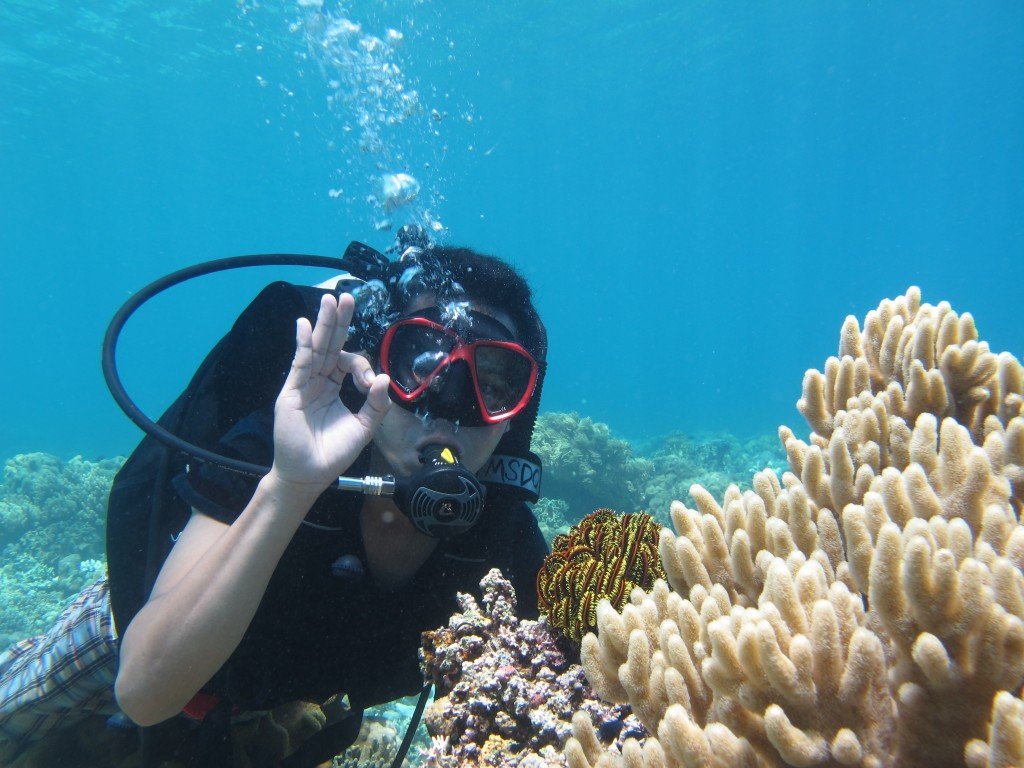
Photo Credit: Hof Gorei Resort Davao
Technical Diving and Cave Exploration
While Samal isn’t primarily known as a technical diving destination, there are opportunities for divers with advanced training.
Technical diving options:
- Deep diving: Some sites drop beyond 40 meters
- Cave/cavern exploration: Ligid Caves offers overhead environments
- Wreck diving: A few deliberately sunk vessels serve as artificial reefs
- Nitrox diving: Available at most professional dive centers
Prerequisites for advanced sites:
- Advanced Open Water certification minimum
- For cave exploration: Cavern specialty or full cave certification recommended
- Excellent buoyancy control (this is non-negotiable)
- Experience with dive planning and gas management
A few technical dive operators in the Davao/Samal area can arrange deeper dives or training. However, if you’re specifically looking for world-class technical diving, there are better destinations in the Philippines (Coron for wrecks, Apo Reef for walls). Samal’s strength lies in recreational diving accessibility.
Night Diving Experiences
Night diving transforms familiar sites into completely different environments. The nocturnal marine life around Samal is surprisingly active.
What emerges after dark:
- Spanish dancer nudibranchs: These large, colorful slugs are primarily nocturnal
- Basket stars: Unfurl their intricate arms to feed
- Hunting lionfish: Watch them use their fins to corner prey
- Octopus: Much more active and visible at night
- Crustaceans: Shrimp, crabs, and lobsters come out to forage
- Sleeping fish: See how reef fish “sleep” in interesting positions
Night dive logistics:
- Usually conducted at familiar sites like Coral Garden
- Cost: ₱1,800-2,500 per dive ($32-45 USD)
- You’ll need a dive light (primary) and backup light
- Most operators require Advanced Open Water or Night Diving specialty
My first night dive was in Samal, and I remember how alien everything felt. Your light beam becomes your entire world. Colors appear more vibrant under your torch. And something is humbling about being in the ocean after dark, dependent on technology and training.
The best night dives happen when there’s no moon—the bioluminescence is spectacular. Wave your hand through the water and watch the plankton light up like underwater fireflies.
Essential Tips for Your Samal Diving Adventure
What to Pack for Scuba Diving in Samal
If you’re bringing your own gear:
- Mask, snorkel, and fins
- Wetsuit (3mm is sufficient, or even a rashguard)
- Dive computer
- Regulator and BCD (if you prefer your own)
- Dive light (essential for caverns and night dives)
- SMB (surface marker buoy) and spool
- Reef-safe sunscreen
- Underwater camera (if photography is your thing)
What you can easily rent in Samal:
- Full equipment sets
- Wetsuits in various sizes
- Dive computers
- Underwater cameras (some dive centers offer this)
Other essentials:
- Dive log book (physical or digital)
- Certification cards (bring both digital and physical copies)
- Personal medications
- After-sun lotion
- Rashguard for sun protection between dives
- Cash (many places don’t accept cards)
- Power bank and waterproof phone case
Respecting the Marine Environment
You’re a guest in the ocean. Here’s how to be a responsible one:
Responsible diving practices:
- Never touch coral – It damages the polyps and can kill the coral
- Master your buoyancy – Don’t crash into reefs or stir up sediment
- Take nothing but photos – Leave shells, coral pieces, and creatures where they are
- Don’t feed fish – It disrupts natural behavior and ecosystems
- Respect moorings – Don’t allow boats to drop anchor on coral
- Pack out all trash – Even biodegradable items don’t belong in the ocean
- Use reef-safe sunscreen – Chemicals in regular sunscreen harm coral
Conservation efforts in Samal: Several marine protected areas (MPAs) exist around Samal where fishing is restricted or prohibited. These areas show noticeably healthier reefs and more abundant marine life. Your dive fees often contribute to maintaining these protected zones.
What I’ve personally observed: The dive operators I’ve worked with in Samal genuinely care about the reefs. They enforce good practices, brief divers on environmental considerations, and actively participate in reef cleanups. This is encouraging and stands in contrast to some more exploited dive destinations.
If you see damaged coral or environmental problems, report it to your dive operator or local authorities. Tourism can be a force for conservation when managed properly.
So, Is Scuba Diving in Samal Really Worth It?
The Honest Verdict
Let me give it to you straight after countless dives around this island.
The Pros:
- Extremely accessible – So close to Davao City, yet feels remote
- Affordable – Excellent value compared to other Philippine dive destinations
- Beginner-friendly – Calm conditions, good visibility, supportive infrastructure
- Diverse dive sites – Walls, caves, coral gardens, artificial reefs
- Year-round diving – Not heavily restricted by seasons
- Healthy reefs – Better coral coverage than many Philippine sites
- Less crowded – You won’t be fighting for space underwater
- Good infrastructure – Professional dive centers, equipment availability
- Safe – Well-established safety protocols, accessible medical facilities
The Cons:
- Not world-class – This isn’t Tubbataha or Sipadan
- Limited big pelagics – Don’t expect regular whale shark or manta encounters
- Visibility varies – Not the crystal-clear water of some destinations
- Development concerns – Tourism growth could threaten reef health
- Limited technical diving – Not ideal for tek divers seeking challenges
- Some sites showing wear – Popular spots show signs of diver impact
Who will love diving in Samal the most:
- New divers are building confidence and skills
- Budget-conscious travelers maximizing value
- Underwater photographers practicing techniques without breaking the bank
- Families where some members dive and others don’t
- Weekend warriors from Mindanao want quick diving access
- Travelers wanting diving plus other activities
Who might be disappointed:
- Experienced divers seeking only world-class sites with mega fauna
- Tek divers wanting deep wrecks or complex cave systems
- Snobs who only dive “famous” locations
- People are expecting pristine conditions comparable to remote destinations
Final Recommendations
Here’s my bottom-line recommendation: Yes, scuba diving in Samal is absolutely worth it for the vast majority of divers.
Is it the best diving in the world? No. Is it the best diving in the Philippines? Probably not. But is it a solid, enjoyable, affordable diving experience that offers genuine marine encounters, healthy reefs, and memorable underwater moments? Absolutely yes.
Ideal trip length: 3-5 days gives you enough time to experience the major dive sites without getting bored. If you’re getting certified, plan for 4-5 days minimum.
Best for: Combining with a Davao City visit, budget diving trips, learning or improving diving skills, or testing new equipment before a more expensive dive trip elsewhere.
Skip it if: You only dive truly world-famous destinations, you’re on an extremely tight schedule, or you specifically want big pelagic encounters (though they do happen occasionally).
I’ve recommended Samal to dozens of divers, and the feedback is consistently positive. People appreciate the lack of pretension, the genuine hospitality of the Filipino dive operators, and the pleasant surprise of finding better diving than they expected.
The marine life won’t make you gasp like swimming with whale sharks might, but there’s something deeply satisfying about drifting along a healthy coral wall, watching the intricate ecosystem function, and knowing you’re experiencing authentic diving without the crowds and costs of more famous destinations.
Conclusion
Scuba diving in Samal delivers where it matters most—accessible, affordable, and genuinely enjoyable underwater experiences set against the backdrop of Filipino island hospitality. From the colorful coral gardens perfect for beginners to the intriguing cave formations that challenge advanced divers, this island offers surprising diversity for its size. The marine life may not include frequent whale shark encounters, but the healthy reefs, abundant macro subjects, and occasional pelagic visitors create satisfying dives that keep people coming back.
The real magic of Samal lies in its unpretentious nature. You won’t find luxury dive liveaboards or international dive resort chains dominating the scene. Instead, you’ll discover Filipino-run operations that genuinely care about both their guests and the reefs they depend on. The prices remain reasonable because tourism hasn’t exploded here the way it has in Palawan or Boracay, and that’s actually part of the charm.
Whether you’re taking your first breaths underwater or you’re a seasoned diver looking for a budget-friendly destination to rack up some dives, Samal deserves serious consideration. The combination of calm conditions, year-round diving, diverse sites, and excellent value makes it particularly appealing for new divers, families, and anyone who appreciates diving without the tourist-trap atmosphere.
Yes, there are “better” dive destinations in the Philippines if we’re ranking by coral coverage, mega fauna encounters, or sheer dramatic underwater topography. But Samal isn’t trying to compete with those places. It offers something different—accessible, real-world diving that reminds you why you fell in love with being underwater in the first place.
So is scuba diving in Samal worth it? Based on everything I’ve experienced and shared with you here, my answer is a confident yes. Book your trip, pack your gear (or plan to rent), and discover what this understated island has to offer beneath the surface. You might not come back with stories about swimming with mantas or exploring massive wrecks, but you’ll return with solid dive experiences, great memories, and money left in your wallet for your next adventure.
Ready to explore more diving destinations and underwater adventures? Check out our blog for comprehensive guides on dive sites across Southeast Asia, equipment reviews, certification tips, and everything you need to plan your next underwater journey. Don’t let your diving dreams stay on your bucket list—start planning your next adventure today.
Frequently Asked Questions About Scuba Diving in Samal
Do I need to be certified for scuba diving in Samal? No, you don’t need certification to try diving in Samal. Discover Scuba Diving (DSD) programs let you experience diving under direct instructor supervision. However, to dive independently (with a buddy and guide), you’ll need at least an Open Water certification from PADI, SSI, or another recognized agency.
How deep are the dive sites in Samal? Most recreational dive sites in Samal range from 5 to 25 meters deep, making them suitable for divers of all levels. Some wall dives and advanced sites drop to 30+ meters, but these require appropriate certification and experience. The average depth for most dives is around 12-18 meters.
Can I see sharks while diving in Samal? Yes, but don’t expect guaranteed sightings. Whitetip reef sharks occasionally rest in caves and deeper areas, particularly around Ligid Caves. However, Samal isn’t known for abundant shark encounters like some other Philippine destinations. Your chances are better during early morning dives at deeper sites.
What’s the water temperature like? Water temperature around Samal stays consistently warm year-round, ranging from 26-30°C (79-86°F). Most divers are comfortable in a 3mm wetsuit or even just a rashguard for sun protection. If you get cold easily, consider a 5mm wetsuit during the cooler months (December-February).
Are there dive shops that rent equipment? Yes, all established dive centers in Samal offer full equipment rental including BCDs, regulators, wetsuits, masks, fins, and dive computers. Rental costs typically range from ₱800-1,200 ($14-21) for a complete set per day. Equipment is generally well-maintained, though bringing your own mask and fins is always recommended for comfort and fit.
Is scuba diving in Samal safe for kids? Yes, with proper supervision and age-appropriate programs. Children as young as 8 years old can participate in pool-based experiences or shallow water programs designed specifically for kids. Junior Open Water certification is available for children 10-14 years old, with depth restrictions for safety. Many family-friendly resorts offer programs that allow kids and parents to experience diving together in controlled, safe environments.