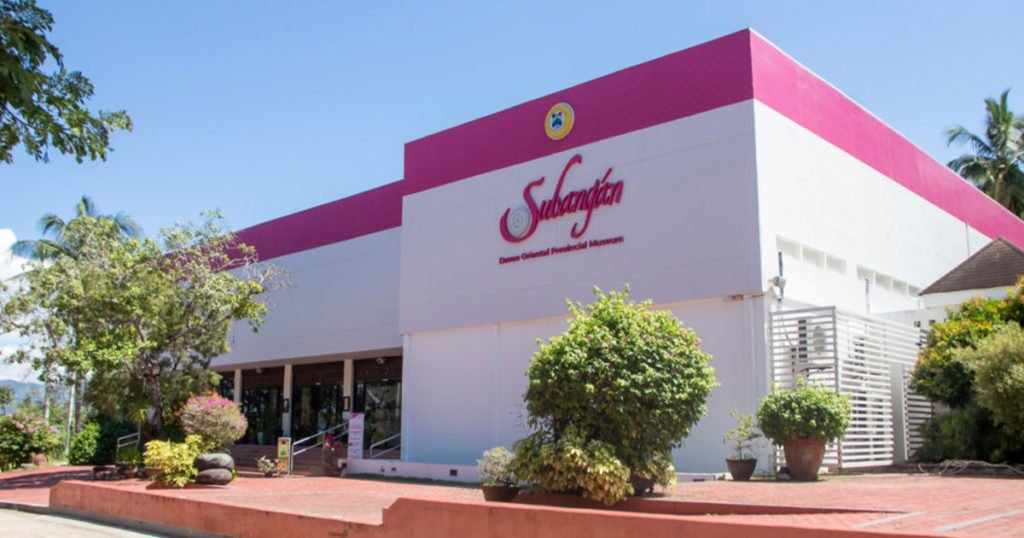
Photo Credit: WestPointe Heights
If you’re searching for an authentic cultural experience that transports you through centuries of history, then I’ve got something special for you. Subangan Museum isn’t just another tourist attraction; it’s a gateway into the rich heritage and archaeological wonders of Mindanao. Located in the heart of Mati City, this remarkable institution preserves stories that have been buried for generations. Whether you’re a history enthusiast, a curious traveler, or someone looking to deepen your understanding of Philippine heritage, Subangan Museum in Mati City deserves a prominent place on your itinerary.
In this comprehensive guide, I’ll walk you through ten compelling reasons why you absolutely need to visit Subangan Museum this year. From ancient artifacts to interactive exhibits, from educational opportunities to the sheer joy of cultural discovery—you’ll find everything you’re looking for and more. Let’s dive in and explore what makes this museum such a treasure.
What You Need to Know Before Visiting Subangan Museum
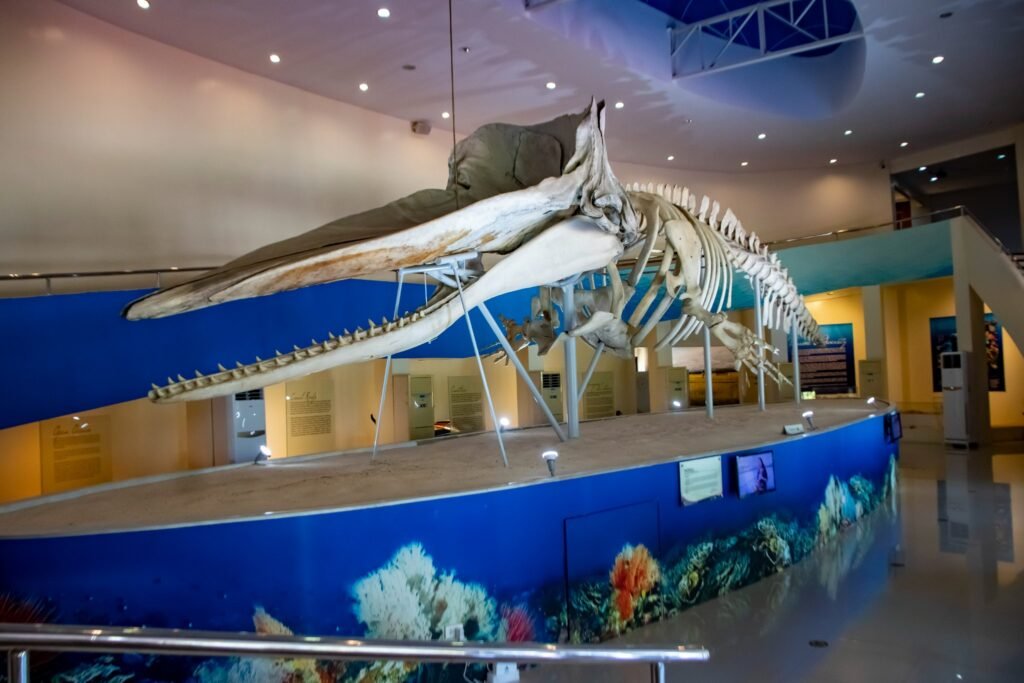
Photo Credit: Tara Laag (FB Page)
Before you pack your bags and head out to experience the wonders of Subangan Museum, there are some practical details you should know. Understanding the basics will help you plan a smooth, enjoyable visit without any surprises.
Location & Accessibility of Subangan Museum
Subangan Museum in Mati City sits in a strategic location that’s relatively accessible for visitors coming from different parts of Mindanao. Mati City, the capital of Davao Oriental province, is situated along the eastern coast of Mindanao. The museum’s location makes it convenient for both local visitors and tourists exploring the region.
Getting to Subangan Museum depends on where you’re traveling from. If you’re coming from Davao City, the journey takes approximately 3-4 hours by car, covering roughly 150 kilometers through scenic routes. The drive is manageable and quite picturesque, offering glimpses of Mindanao’s natural beauty as you travel eastward. Public transportation is available, with bus services operating between major cities and Mati City regularly. Once you arrive in Mati City, the museum is relatively easy to locate, and locals are generally helpful in providing directions.
For those flying in, the nearest major airport is Francisco Bangoy International Airport in Davao City. From there, you can rent a vehicle or take a bus directly to Mati City. The journey from the airport to Subangan Museum takes about 3.5 to 4 hours depending on traffic conditions and your exact departure point.
Best times to visit Subangan Museum typically fall during the dry season, which runs from June through October. During these months, weather conditions are more favorable for travel and exploration. The museum itself is open year-round, but visiting during off-peak seasons—such as weekday mornings—offers a more intimate experience with fewer crowds and better opportunities for personal reflection among the exhibits.
Admission & Visitor Information
Visiting Subangan Museum is affordable and accessible to everyone. The entrance fee is modest, making it an excellent value for the educational and cultural experience you’ll receive. While specific admission prices can vary, the museum typically operates on a reasonable pricing structure that encourages community engagement and tourism.
Subangan Museum in Mati City maintains regular operating hours, though it’s always wise to contact the museum directly or check their official information before planning your visit. Most cultural institutions in the Philippines operate during standard business hours, typically opening in the mid-morning and remaining open through the afternoon. Many museums close on Mondays or specific holidays, so verifying the schedule beforehand prevents disappointment.
When visiting, bring comfortable walking shoes because you’ll be exploring exhibits that require moving through different gallery spaces. The museum’s climate-controlled environment makes for a pleasant indoor experience, even during warmer months. Consider bringing a camera to capture memorable moments—though always check if photography is permitted in all sections of the museum. Notebooks and sketching materials are welcome if you’re interested in taking notes or creating visual records of your observations.
The 10 Best Reasons to Visit Subangan Museum This Year
Now, let me share the ten compelling reasons why Subangan Museum should be on your travel list. These reasons span cultural, educational, and personal enrichment aspects that make this destination truly special.
Reason #1 – Immerse Yourself in Ancient Philippine History at Subangan Museum
History comes alive when you step into Subangan Museum. This institution serves as a custodian of ancient Philippine civilization, particularly focusing on the pre-colonial heritage of the Mindanao region. Walking through the exhibits, you’re not just observing objects; you’re witnessing tangible connections to ancestors who lived centuries ago.
The pre-colonial Philippines had sophisticated societies with complex social structures, trade networks, and cultural practices. Subangan Museum illuminates this often-overlooked chapter of our national story. Through carefully curated displays and informative plaques, the museum reveals how ancient Filipino communities thrived, organized themselves, and contributed to regional commerce and culture.
The archaeological significance of artifacts at Subangan Museum in Mati City cannot be overstated. Each pottery shard, each tool, each burial item tells a story of daily life, spiritual beliefs, and societal values.
Reason #2 – Discover Rare Archaeological Artifacts Nowhere Else
One of the most thrilling aspects of visiting Subangan Museum is encountering artifacts that are extraordinarily rare and, in many cases, found nowhere else in the world. The museum houses collections that represent thousands of years of human habitation and cultural development in the Mindanao region.
These aren’t replicas or secondhand exhibits—they’re original, genuine archaeological finds that have been carefully excavated, documented, and preserved. The pottery at Subangan Museum showcases distinct design patterns that reflect the artistic sensibilities of ancient potters. Some pieces feature intricate geometric designs, while others display evidence of practical functionality combined with aesthetic consideration. The craftsmanship evident in these ceramics demonstrates a high level of skill and artistic sophistication.
Beyond pottery, Subangan Museum in Mati City displays tools fashioned from various materials—bone, stone, and metal. These implements tell stories of hunting, farming, construction, and daily labor.
Reason #3 – Experience Interactive Exhibits at the Museum
Modern museums have evolved beyond the traditional “look but don’t touch” model, and Subangan Museum embraces this progressive approach. The interactive elements at Subangan Museum in Mati City transform passive observation into active engagement, making learning enjoyable for visitors of all ages.
Subangan Museum demonstrates that education doesn’t have to be boring. By combining traditional exhibits with interactive elements, the museum creates an environment where curiosity flourishes. Questions that might arise naturally—”How did they do this?” or “What was this used for?”—find immediate answers through thoughtfully designed interactive stations. This approach is especially valuable for younger visitors, as it transforms the museum visit into an adventure rather than a chore.
Reason #4 – Learn About the Mati City Heritage & Culture
To truly understand the artifacts and historical narratives at Subangan Museum, you need context about Mati City and the broader Davao Oriental region. The museum brilliantly connects ancient history to contemporary cultural identity, helping visitors understand how the past shapes the present.
Mati City has a rich cultural tapestry woven from indigenous heritage, Spanish colonial influence, and modern Filipino identity. Subangan Museum in Mati City serves as a thread connecting these historical periods, showing how communities evolved and adapted over centuries.
Understanding the indigenous peoples who inhabited the Mindanao region—their social structures, their spiritual beliefs, their artistic expressions—provides profound insights into Philippine culture at its foundation. These weren’t homogeneous societies; different communities had distinct practices, beliefs, and innovations. Subangan Museum celebrates this diversity while helping visitors understand the common threads that unified these ancient societies.
Reason #5 – Perfect Educational Destination for Students
Subangan Museum serves as an exceptional educational resource for students at all levels. Teachers recognize the museum’s value as a living classroom where abstract historical and archaeological concepts become concrete and comprehensible. The museum caters specifically to educational groups, understanding the unique needs of student visitors.
School groups visiting Subangan Museum in Mati City benefit from an environment that reinforces curriculum standards. Rather than learning about pre-colonial Philippines solely through textbooks, students see actual evidence of ancient life. This experiential learning creates stronger memory formation and deeper understanding compared to purely theoretical instruction.
Reason #6 – Marvel at Beautifully Preserved Historical Displays
The presentation of exhibits at Subangan Museum deserves special recognition. Museum professionals understand that how artifacts are displayed significantly affects visitor experience and comprehension. The curation at Subangan Museum in Mati City demonstrates sophistication in this regard.
Expert curation involves careful selection of which artifacts to display, thoughtful arrangement that tells coherent narratives, appropriate contextual information, and professional preservation techniques. The Subangan Museum team applies these principles skillfully, creating displays that are both aesthetically pleasing and intellectually rigorous.
Reason #7 – Support Local Heritage & Conservation Efforts
Every ticket purchased at Subangan Museum contributes to a mission larger than entertainment or education. Your visit actively supports heritage preservation and conservation efforts that benefit the community and preserve cultural legacy for future generations.
Museums exist in symbiotic relationships with their communities. Subangan Museum in Mati City depends on visitor support—both financially through admission fees and morally through demonstrated interest in cultural preservation. When you visit, you send a powerful message: heritage matters; history is valuable; cultural preservation deserves resources and attention.
Beyond immediate preservation, Subangan Museum contributes to community cultural identity and education. The museum serves as a gathering place for cultural discussions, educational programs, and community events. It represents local pride in heritage and provides opportunities for residents to connect with their history. Supporting the museum means supporting these community functions.
Reason #8 – Gain Insights Into Ancient Maritime Trade Routes
The Mindanao region occupied a strategic position in Southeast Asian maritime trade networks for centuries. Subangan Museum illuminates this fascinating aspect of ancient economic and cultural history through carefully selected artifacts and scholarly interpretation.
Archaeological evidence at Subangan Museum in Mati City reveals connections between ancient Mindanao and broader Asian trading systems. Artifacts show evidence of trade with Chinese merchants, interactions with Southeast Asian neighbors, and participation in maritime commerce spanning centuries. Some pottery pieces display design influences from distant regions, indicating cultural exchange alongside commercial transactions.
Subangan Museum helps explain how maritime trade influenced local culture, technology, and society. The presence of foreign goods in the archaeological record reveals what local communities valued and how they integrated foreign influences into their own cultural contexts. This represents sophisticated cultural negotiation rather than simple acquisition of foreign items.
Reason #9 – Enjoy a Peaceful, Inspiring Cultural Experience
There’s something profoundly settling about spending time in a museum dedicated to cultural heritage. Subangan Museum provides an escape from daily life’s noise and pace—a sanctuary for contemplation, learning, and personal reflection. The atmosphere at Subangan Museum in Mati City encourages visitors to slow down and engage meaningfully with history.
For many visitors, the museum experience proves therapeutic. Engaging with history provides perspective on contemporary concerns. Standing before objects created centuries ago reminds us of human continuity, persistence, and creative capacity. These realizations can feel spiritually nourishing and emotionally grounding.
Reason #10 – Create Memorable Experiences with Family & Friends
Museum visits offer wonderful opportunities for shared experiences and quality time with loved ones. Subangan Museum provides an environment where families and friend groups can explore together, discuss discoveries, and create lasting memories.
Traveling to Subangan Museum in Mati City with family members becomes an opportunity for meaningful connection. Whether you’re visiting with children, adult siblings, parents, or friends, the museum experience sparks conversation and shared learning. Parents can introduce children to cultural heritage; friends can discuss historical perspectives together; intergenerational groups can share different insights and learning approaches.
The museum provides excellent photo opportunities—both the artifacts themselves (where photography is permitted) and the museum’s physical spaces. These photos become memory anchors, allowing you to revisit and relive the experience long after the visit. Sharing photos with family members who couldn’t attend extends the experience and sparks conversations about what you learned.
Practical Tips for Your Subangan Museum Visit
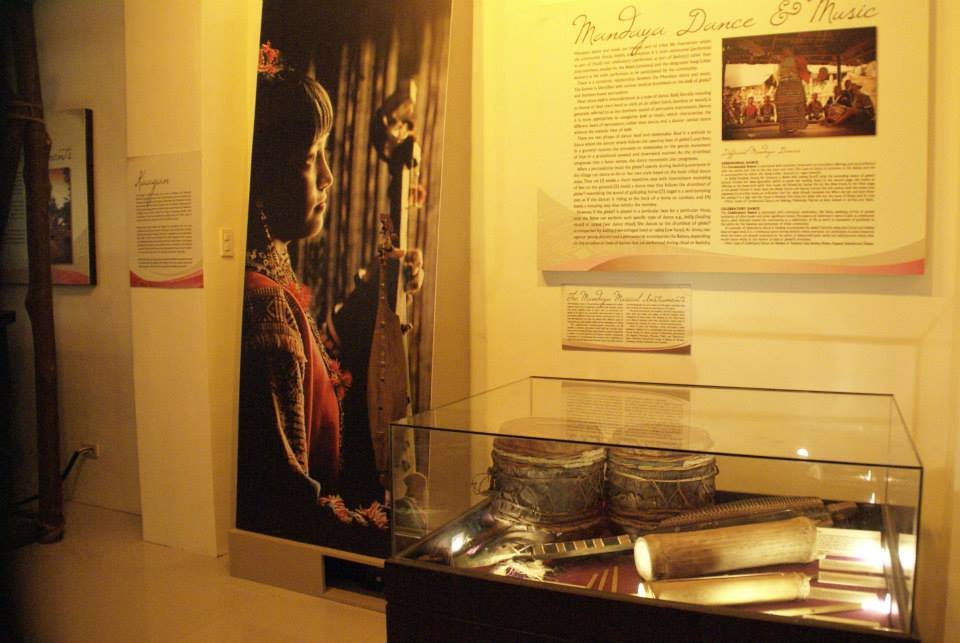
Photo Credit: Subangan (FB Page)
Making the most of your Subangan Museum experience requires some practical planning. These tips will help ensure your visit is smooth, enjoyable, and maximizes your time and satisfaction.
Best Time to Visit Subangan Museum
Subangan Museum in Mati City welcomes visitors year-round, but certain times offer advantages. The dry season—roughly June through October—presents ideal conditions for travel in the Mindanao region. Weather is generally stable, roads are accessible, and outdoor exploration of the Mati City area is pleasant.
Within this broader window, weekday mornings typically offer the best museum experience. Fewer visitors mean shorter wait times, more personal space to contemplate exhibits, and better opportunities to engage with museum staff if you have questions. Weekends and holidays attract larger crowds, which can sometimes diminish the contemplative quality of the experience, though it does create more lively, social energy.
Afternoon visits work well if you prefer to explore the museum as part of a larger day trip. You might visit other Mati City attractions in the morning, then spend your afternoon at Subangan Museum. This arrangement allows you to combine cultural exploration with other regional sightseeing.
Avoid visiting immediately after heavy rainfall, as this can sometimes affect road conditions leading to Subangan Museum in Mati City. Similarly, check the local calendar for any special museum closures or events that might affect your visit. A quick phone call or email to the museum beforehand prevents disappointment.
How Long Should You Spend at Subangan Museum?
The duration of your Subangan Museum visit depends on several factors: your prior knowledge of the subject matter, your learning pace, whether you’re participating in a guided tour, and how deeply you want to engage with exhibits.
For a casual, introductory visit to Subangan Museum in Mati City, plan for 1.5 to 2 hours. This timeframe allows you to see most exhibits without rushing excessively, though you won’t spend extended time contemplating each piece or reading all available information.
A more thorough, educational visit might require 3 to 4 hours. This duration allows time for careful observation of artifacts, reading comprehensive contextual information, engaging with interactive elements, and perhaps taking notes or sketching. You’ll exit with substantial knowledge and deeper appreciation.
Serious enthusiasts, researchers, or visitors planning multiple visits might spend 4+ hours at Subangan Museum. Taking breaks between gallery sections, reviewing favorite exhibits multiple times, and engaging in detailed study of specific collections requires this extended timeframe.
Guided tours at Subangan Museum typically last 1.5 to 2 hours, though this varies based on group size, guide expertise, and whether tours include question-and-answer segments. Guided experiences differ from self-guided visits—expert guides provide context and interpretation that individual observation might miss, though they also establish pace rather than allowing completely self-directed exploration.
What to Expect Inside Subangan Museum
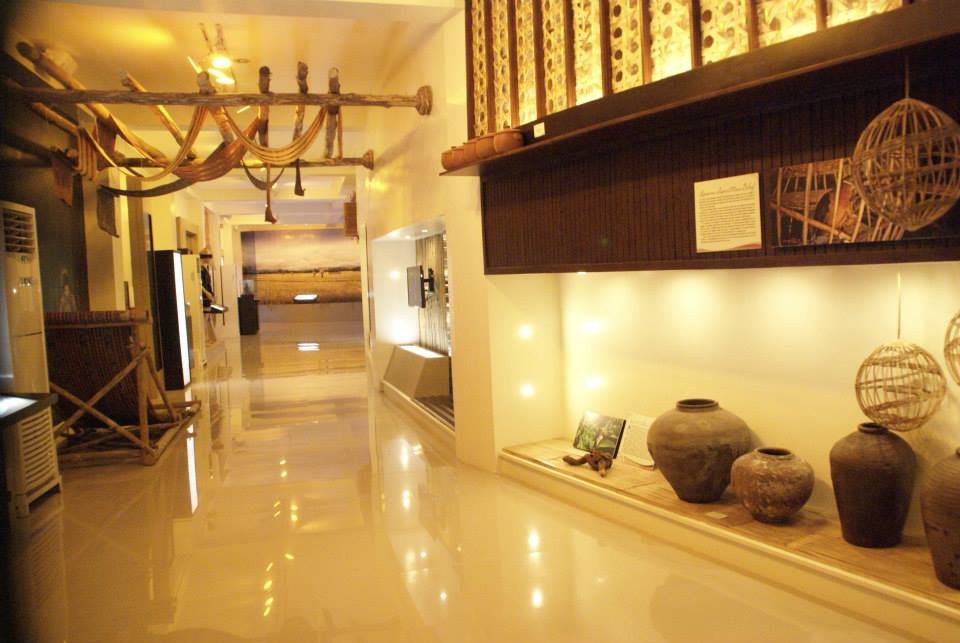
Photo Credit: Subangan (FB Page)
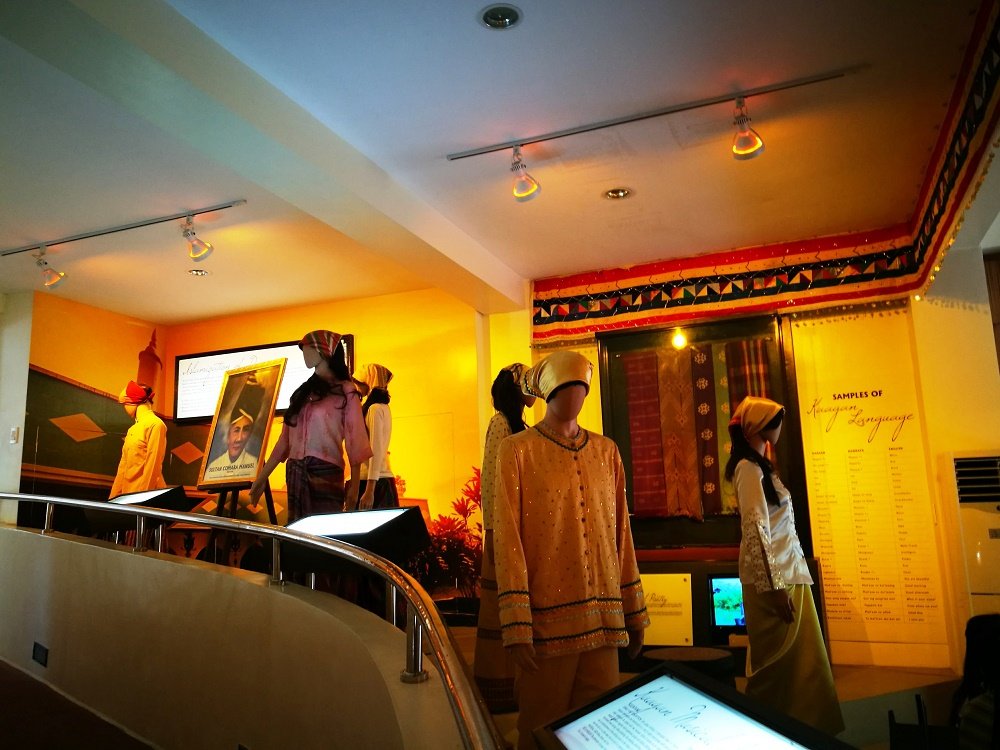

Photo Credit: Pinterest
Walking into Subangan Museum in Mati City, you’ll encounter a thoughtfully organized space divided into galleries focusing on different themes or historical periods. The museum might organize exhibits chronologically, thematically, or by artifact type—organizational choices that affect how you experience the collection.
Each gallery section typically features display cases containing artifacts, interpretive panels providing historical context and explanation, and sometimes interactive elements allowing hands-on engagement. The museum’s climate control maintains comfortable temperature and humidity, creating pleasant conditions for extended exploration.
The scale of the collection varies—Subangan Museum might feature dozens of significant artifacts or hundreds of smaller pieces, depending on curatorial choices and collection size. Either way, the museum curates its display thoughtfully rather than overwhelming visitors with excessive quantity.
Staff members at Subangan Museum are typically knowledgeable and helpful. They can answer questions, provide additional context, suggest highlights you shouldn’t miss, and accommodate special requests where possible. Don’t hesitate to engage with staff—they genuinely enjoy sharing their expertise and enthusiasm for the collection.
Photography & Social Media at the Museum
Photography policies at Subangan Museum should be confirmed before your visit. Many museums permit personal photography for non-commercial purposes but restrict flash photography, tripods, or professional photography. These restrictions protect artifacts from light damage and ensure fair access for all visitors.
Instagram and social media have transformed how people engage with museums. Visitors share photos of impressive displays, interesting artifacts, and themselves enjoying the experience. This social media engagement extends the museum’s reach and influence beyond visitors who attend in person. Subangan Museum in Mati City benefits from this organic promotion when visitors share their experiences online.
If photography is permitted at Subangan Museum, you’ll find countless photo opportunities. The artifacts themselves provide compelling subjects—ancient pottery against museum lighting, carefully arranged displays telling historical narratives, informational panels combining text and images. The museum’s architecture and spatial design might also provide attractive photography.
When sharing museum photos on social media, consider adding context through captions. Rather than simply posting pictures, explain what you learned, why the artifact interests you, or what surprised you during your visit. This approach transforms your photos from simple documentation into engagement with the museum’s educational mission.
Respect any photography restrictions at Subangan Museum. Museums implement these policies for good reasons—artifact preservation and visitor experience. Adhering to guidelines demonstrates respect for cultural heritage and fellow visitors.
Planning Your Trip to Subangan Museum in Mati City
Comprehensive trip planning ensures your Subangan Museum visit integrates smoothly into your broader travel plans. Consider these practical and logistical elements when organizing your journey.
Getting to Subangan Museum: Complete Travel Guide
Traveling to Subangan Museum in Mati City from various starting points requires different approaches. If you’re departing from Davao City, the primary regional hub, several transportation options exist.
By car, the journey to Subangan Museum in Mati City from Davao takes approximately 3.5-4 hours, covering about 150 kilometers. Rental vehicles are available at Francisco Bangoy International Airport or through rental agencies in Davao City. The route follows established highways and is generally well-maintained, though conditions can vary seasonally.
Public transportation via bus represents an economical option. Multiple bus companies operate routes between Davao City and Mati City, with regular departures throughout the day. Journey time matches private vehicle travel—approximately 3.5-4 hours—though buses may make stops affecting total travel duration. Buses typically cost significantly less than rental vehicles, making this option attractive for budget-conscious travelers.
From other Mindanao cities, you’ll typically transfer through Davao City or potentially through Butuan City depending on your origin. Subangan Museum in Mati City is accessible but not on the most direct routes for all travelers, requiring some intentional journey planning.
For international visitors flying in, Francisco Bangoy International Airport (DVO) in Davao City is the primary entry point. From the airport, arrange ground transportation to Mati City. Airport rental car services, ride-sharing apps (where available), or pre-arranged transportation through your accommodation can facilitate onward travel to Subangan Museum.
Frequently Asked Questions About Subangan Museum
Common questions help clarify expectations and practical details about visiting Subangan Museum. Here are typical inquiries travelers have before planning their visit.
Common Questions About Visiting Subangan Museum
Is Subangan Museum wheelchair accessible?
Accessibility features at Subangan Museum in Mati City should be confirmed directly with the institution. Many modern museums provide wheelchair accessibility, though older facilities may have limitations. Contact the museum beforehand to understand accessibility provisions and request specific accommodations if needed.
Can I bring children to Subangan Museum?
Children are typically welcome at Subangan Museum in Mati City. The museum provides educational value for young learners and features interactive elements that appeal to children. However, very young children may have limited patience for museum visits, so consider adjusting expectations and trip duration accordingly. Teaching moments about history and archaeological methodology make museums excellent educational venues for school-age children.
Are there group discounts at Subangan Museum?
Many museums offer reduced admission rates for large groups. Subangan Museum in Mati City likely accommodates group visits with appropriate pricing. Contact the museum to inquire about group rates if you’re planning a visit with a substantial number of people. Advance notice allows the museum to prepare for group visits and potentially provide specialized tour guides.
What’s the best camera equipment for photography at Subangan Museum?
If photography is permitted, standard digital cameras, smartphones, or mirrorless cameras all work well for museum documentation. Avoid flash photography, which damages artifacts and disturbs other visitors. Natural lighting and available museum lighting usually suffice for acceptable images. Tripods may be prohibited, so verify policies before arrival.
Can I visit Subangan Museum without a guide?
Self-guided exploration is typically available at museums, including Subangan Museum in Mati City. Interpretive panels provide context, and your own observations can be valuable. However, guided tours offer expert interpretation and might reveal details or connections you’d miss independently. Consider your learning preference—some visitors prefer self-directed exploration while others benefit from expert guidance.
Conclusion: Why You Should Visit Subangan Museum This Year
Subangan Museum represents far more than a collection of old objects. It stands as a testament to human civilization’s continuity, a celebration of local heritage, and an invitation to deeper understanding of your ancestral history. The ten reasons we’ve explored—from ancient history immersion to family memory creation—paint a compelling picture of why this institution deserves your attention.
The artifacts preserved at Subangan Museum are fragile, irreplaceable treasures from civilizations long past. Your visit honors these artifacts and the communities that created them. By choosing to visit, you affirm that heritage matters, history is valuable, and cultural preservation deserves our collective commitment.
This year, make the journey to Subangan Museum in Mati City. Block out a few hours, bring your curiosity and openness, and allow yourself to be transported through centuries of human experience. The ancient voices preserved in artifacts will speak to you across the ages—humbling, inspiring, and profoundly connecting us to our shared human heritage.